
Empowering Operators: Crafting an Autonomous Maintenance Program to Transform Them into Equipment Owners

Updated: Jul 22
In many industries, operators are the frontline users of complex equipment. Yet, they often remain just operators, disconnected from the full responsibility and understanding that comes with true ownership of the equipment they handle daily. Building a program that teaches operators to become equipment owners can improve maintenance, reduce downtime, and increase overall productivity. This post explores how to design such a program effectively, focusing on practical steps and real-world examples.
Understanding the Difference Between Operators and Equipment Owners
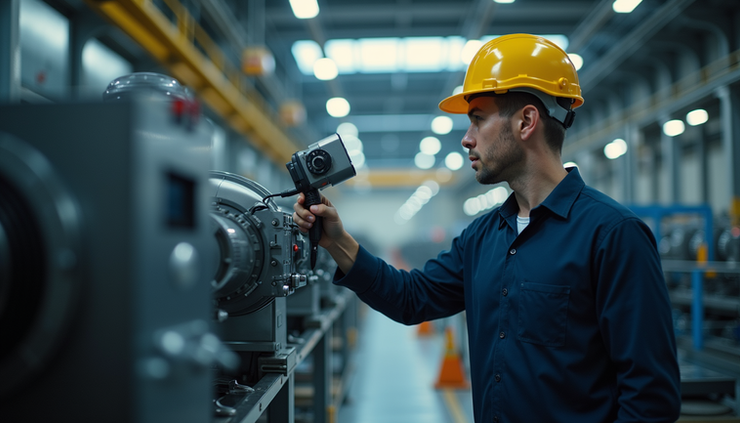
Before building a program, it’s essential to clarify what it means to be an equipment owner versus an operator. Operators typically follow instructions to run machines, focusing on immediate tasks. Equipment owners, on the other hand, take responsibility for the machine’s condition, performance, and longevity. They understand how the equipment works, recognize early signs of issues, and take proactive steps to maintain it.
This mindset shift is crucial. When operators become equipment owners, they:
Take pride in the machine’s condition
Detect problems before they escalate
Communicate effectively with maintenance teams
Reduce costly breakdowns and repairs
Step 1: Assess Current Operator Knowledge and Attitudes
Start by evaluating what operators already know and how they view their role. Use surveys, interviews, or hands-on assessments to gather information about:
Their understanding of the equipment’s functions
Familiarity with maintenance procedures
Attitudes toward responsibility for the equipment
Challenges they face during operation
This baseline helps tailor the program to address gaps and build on existing strengths.
Step 2: Develop Clear Learning Objectives
Define what you want operators to achieve by the end of the program. Objectives should be specific, measurable, and relevant. Examples include:
Operators can perform daily inspections and identify common issues
Operators understand the impact of improper use on equipment lifespan
Operators can document and report equipment status accurately
Operators participate in routine maintenance tasks safely
Operators understand when to escalate equipment issues
Clear goals guide the content and evaluation methods.
Step 3: Design Engaging and Practical Training Content
Effective training combines theory with hands-on practice. Consider these elements:
Interactive Workshops: Use real equipment or simulators to demonstrate key concepts.
Visual Aids: Diagrams, videos, and checklists help reinforce learning.
Scenario-Based Exercises: Present common problems and ask operators to troubleshoot.
Maintenance Basics: Teach simple tasks like lubrication, cleaning, and tightening.
Safety Protocols: Emphasize safe handling to protect both operators and machines.
Beta Stations: Provide instruction on basic equipment maintenance using actual equipment in a safe environment.
Use language that is straightforward and avoid technical jargon to keep the content accessible.
Step 4: Incorporate Mentorship and Peer Learning
Pair less experienced operators with seasoned equipment owners or maintenance staff. This approach encourages knowledge sharing and builds confidence. Peer learning sessions can include:
Group discussions about equipment challenges
Sharing success stories of preventing breakdowns
Collaborative problem-solving workshops
Peer-to-peer training on the floor
Mentorship creates a supportive environment that motivates operators to take ownership.
Step 5: Provide Tools and Resources for Ongoing Support
Ownership doesn’t end with training. Equip operators with resources to maintain their skills:
Checklists and Logs: For daily inspections and maintenance records
Quick Reference Guides: Summarizing key points and troubleshooting tips
Access to Experts: Channels to ask questions or report issues promptly
Regular Refresher Sessions: To update knowledge and address new challenges
These tools help embed ownership into daily routines.
Step 6: Measure Progress and Adjust the Program
Track how well operators adopt ownership behaviors through:
Performance metrics like reduced downtime or fewer repairs
Feedback from operators and supervisors
Observations during equipment use and maintenance
Use this data to refine the program, focusing on areas needing improvement.
Real-World Example: Manufacturing Plant Success Story
A mid-sized manufacturing plant implemented a program based on these steps. Operators received hands-on training and mentorship from maintenance staff. They used daily checklists and reported issues proactively. Within six months, the plant saw a 20% reduction in equipment downtime and a 15% decrease in maintenance costs. Operators reported feeling more confident and valued, which boosted morale and teamwork.
Conclusion
Transforming operators into equipment owners requires a thoughtful program that combines education, practice, and ongoing support. By focusing on clear objectives, practical training, mentorship, and tools, organizations can foster a culture where operators take responsibility for their machines. This shift leads to better equipment care, fewer breakdowns, and improved productivity. Start building your program today and watch your operators become true equipment owners.

Comments